
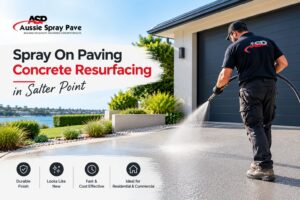

Outdoor concrete can gradually lose its original appearance due to everyday use, weather exposure, staining and general surface wear. For properties where the existing slab is still in reasonable condition, Spray On Paving Concrete Resurfacing in Salter Point can provide a way to give the area a completely different look without automatically removing the existing concrete. From tired driveways and plain patios to ageing pathways and entertaining areas, resurfacing can introduce new colours, textures and patterns while working with the surface already in place.
Before choosing a finish, however, it is important to look beyond appearance. The condition of the existing concrete, the amount of traffic the area receives, drainage, previous repairs and the type of finish required can all affect whether resurfacing is appropriate. Understanding these factors can help property owners decide whether resurfacing is a practical option for their particular outdoor area.
Why Does Existing Concrete Start Looking Worn?
Concrete is exposed to changing weather conditions, foot traffic, vehicles, dirt and everyday outdoor activity. Over time, these factors can affect how the surface looks and feels.
Colour may fade, stains can become noticeable, and the original finish may no longer complement the surrounding property. Areas that once looked clean and uniform can gradually appear tired or dated.
This does not necessarily mean that the entire concrete slab has reached the end of its useful life. If the underlying surface remains suitable, resurfacing may provide an alternative to complete replacement.
The important distinction is between surface appearance and structural condition. A surface can look old while still providing a suitable base, but significant movement or deterioration requires closer consideration.
What Is Concrete Resurfacing Used For?
Concrete resurfacing involves improving the surface of existing concrete by applying a new finish or resurfacing system. The existing slab remains in place when it is considered suitable for the application.
The process can be used to change the visual character of an outdoor area. Depending on the selected system, resurfacing can introduce:
- New colours and tones
- Decorative textures
- Patterns and designs
- Stencil effects
- A more consistent surface appearance
The purpose is not always to make old concrete look new. Resurfacing can also be used to create a finish that better suits a property’s current architectural style or landscaping.
For example, a plain concrete patio may be updated with a decorative finish that better connects it with the surrounding outdoor space.
Is Your Existing Concrete Suitable for Resurfacing?
The condition of the existing concrete is one of the most important factors to consider before beginning any resurfacing project.
A suitable surface generally needs to provide a reasonably stable base. Surface imperfections may be manageable, but extensive structural problems can affect whether resurfacing is appropriate.
An assessment should consider issues such as:
- Significant cracking
- Movement or settlement
- Loose or deteriorated concrete
- Previous failed repairs
- Water pooling
- Drainage problems
- Surface contamination
- Areas exposed to unusual levels of traffic
A decorative finish should not simply be used to hide an unresolved problem. If the underlying issue continues, it can affect the new surface as well.
Why Do Cracks Need to Be Investigated?
Not every crack has the same cause. Some may be minor surface imperfections, while others can be associated with movement, settlement or other conditions affecting the concrete.
Understanding why a crack has appeared is therefore more useful than simply covering it.
Where appropriate, concrete repairs may need to be completed before resurfacing. The suitable repair approach depends on the type, location and severity of the problem.
How Does Spray On Paving Work on Concrete?
Spray-on paving is generally applied to prepared existing concrete to create a new decorative surface. The exact application process varies according to the system being used and the condition of the concrete.
The first stage is normally assessment and preparation. Dirt, loose material, coatings and other contaminants may need to be removed so the surface is ready for the new treatment.
Any relevant preparation or repairs are then completed before the resurfacing material is applied.
The selected finish can incorporate different colours, textures, patterns or stencil designs. The final appearance depends on the materials, preparation and application method used.
This is why two surfaces with similar original concrete can produce different results when different finishes are selected.
What Areas Can Be Resurfaced?
Paving Concrete Resurfacing in Salter Point can be considered for various outdoor areas where existing concrete is suitable.
Driveways and Vehicle Areas
Driveways experience regular vehicle movement and exposure to outdoor conditions. The resurfacing system should therefore be selected with the intended traffic and use of the area in mind.
Appearance is also an important consideration because the driveway often forms a significant part of the property’s frontage.
Patios and Entertaining Areas
Patios are commonly used for outdoor dining, entertaining and relaxation. Decorative resurfacing can help change the appearance of a plain concrete area and coordinate it with surrounding landscaping.
Paths and Walkways
Existing concrete paths can sometimes look disconnected from newer landscaping or other outdoor improvements. A new finish can provide a more coordinated appearance.
Courtyards and Outdoor Spaces
Courtyards and other hard-surface areas can use colour and texture to create a more defined visual style without necessarily removing the existing concrete.
The suitability of each application depends on the condition of the surface and the requirements of the area.
How Do Colour and Texture Affect the Final Result?
Resurfacing is not limited to one standard appearance. Different combinations of colour, texture and pattern can create significantly different results.
Colour selection should take the surrounding property into account. Exterior walls, roofing, fencing, garden features and existing paving can all influence which tones work well together.
Texture can also change how a surface appears. A single colour with a textured finish can create a different visual effect from the same colour used with a patterned or stencil design.
It is therefore useful to consider the complete outdoor area rather than choosing a colour in isolation.
Can Stencil Designs Create a Paving Effect?
Stencil work can be used to create defined patterns across a suitable concrete surface. Depending on the selected design, it can give the area a more structured or paving-style appearance.
This can be useful where a property owner wants a decorative surface without replacing the existing slab.
The final result depends on the stencil design, colour combination, surface preparation and application process.
Resurfacing or Replacing Concrete: Which Is Different?
The Resurfacing and replacement address different situations.
Resurfacing retains the existing concrete when the slab is considered suitable. Replacement involves removing the existing surface and installing new concrete.
| Factor | Concrete Resurfacing | Concrete Replacement |
|---|---|---|
| Existing slab | Retained if suitable | Removed |
| Main purpose | Update surface appearance | Create a new concrete base |
| Decorative options | Colours, textures and patterns | Selected during new installation |
| Existing condition | Must be reasonably suitable | Can address unsuitable existing slab |
| Repairs | May be required before resurfacing | Existing slab is removed |
The decision should be based on the condition of the concrete rather than appearance alone.
If the existing slab is stable but visually outdated, resurfacing may be worth considering. If there are serious structural concerns, replacement or another repair method may be more appropriate.
What Should Be Considered Before Resurfacing?
Several factors can influence the suitability and expected performance of a resurfaced surface.
Existing condition: The concrete should be assessed for cracks, movement, deterioration and other problems.
Intended use: A driveway, walkway and patio experience different levels and types of traffic.
Drainage: Water should be considered before applying a new surface. Existing drainage problems should not simply be covered.
Finish: Colour, texture and pattern should suit both the intended use and surrounding property.
Maintenance: Different finishes may have different cleaning and maintenance requirements.
Repairs: Any relevant underlying problems should be addressed as part of the preparation process.
Considering these points beforehand can help avoid choosing a decorative treatment that does not suit the actual conditions of the site.
How Can Resurfaced Concrete Be Maintained?
Maintenance requirements depend on the resurfacing system, location and level of use.
Routine cleaning can help remove dirt, leaves and other debris before they become difficult to remove. Spills should also be dealt with according to the recommendations for the particular surface.
It is useful to periodically inspect the area for changes such as cracking, surface wear or other damage.
Maintenance should not be limited to cleaning. If a new issue develops in the underlying concrete, identifying it early can help determine the appropriate response.
Using unsuitable chemicals, aggressive cleaning equipment or methods not recommended for the finish may also affect the surface.
Common Mistakes to Avoid When Resurfacing
A few simple mistakes can affect the outcome of a resurfacing project.
Covering Structural Problems
A new decorative finish cannot resolve major structural movement or an unstable concrete base. Underlying problems need to be assessed first.
Choosing a Finish Based Only on Appearance
A finish should also suit the area’s intended use, traffic levels and maintenance requirements.
Ignoring Drainage
Water-related issues can affect both existing concrete and resurfaced areas. Drainage should therefore be considered during planning.
Skipping Proper Preparation
Cleaning and surface preparation are important because contaminants or loose material can affect the application of the new finish.
Treating Every Concrete Surface the Same
Different concrete surfaces have different conditions and uses. A driveway should not necessarily be approached in exactly the same way as a lightly used courtyard.
How Can You Plan a Resurfacing Project?
A practical approach is to begin with the existing concrete rather than immediately selecting a colour or pattern.
First, consider the current condition of the surface. Identify visible cracks, uneven areas, drainage concerns and signs of deterioration.
Next, think about how the area is used. Vehicle traffic, pedestrian movement, outdoor entertaining and environmental exposure can all influence the appropriate finish.
After that, consider the visual design. Look at the surrounding property and decide whether the new surface should blend with existing elements or create a contrasting feature.
Finally, discuss the available resurfacing options and preparation requirements based on the actual condition of the concrete.
This process helps ensure that decorative choices are made alongside practical considerations.
Understanding Concrete Resurfacing in Salter Point
Concrete resurfacing can provide a way to change the appearance of suitable existing concrete without automatically removing the entire slab. It can be particularly useful when a surface remains stable but looks faded, plain or outdated.
However, the decorative finish is only one part of the process. Surface condition, preparation, repairs, drainage, intended use and maintenance all need to be considered.
For property owners researching Concrete Resurfacing in Salter Point, understanding these factors can make it easier to determine whether resurfacing is appropriate and what type of finish may work for the space.
Aussie Spray Pave offers options including spray-on paving, concrete, limestone, epoxy coating, resurfacing, concrete repairs and stencil work. These different approaches can be considered according to the condition of the existing surface and the desired result.
FAQs About Spray On Paving Concrete Resurfacing
1. What is spray-on paving concrete resurfacing?
Spray-on paving concrete resurfacing involves applying a new decorative surface treatment over suitable existing concrete. Depending on the system, it can change the colour, texture or pattern of the surface.
2. Can old concrete be resurfaced without removing it?
Yes, suitable existing concrete can often be resurfaced without removing the entire slab. However, the concrete needs to be assessed first to determine whether it provides an appropriate base.
3. Can resurfacing repair cracked concrete?
Some minor surface issues may be addressed during preparation and concrete repairs. Significant cracking, movement or structural problems need to be investigated rather than simply covered with a new finish.
4. What finishes can be used for concrete resurfacing?
Depending on the system, options can include different colours, tones, textures, patterns and stencil designs. The appropriate finish depends on the existing surface and intended use.
5. Is concrete resurfacing suitable for driveways?
It can be considered for suitable concrete driveways, but the resurfacing system should be appropriate for the expected vehicle traffic and environmental conditions. The existing concrete should also be assessed before work begins.